Assessment Architecture    |Enrolment Fee and other fees for examination    |Approval of Practical training of D.Pharm students from the NABH Hospitals.    |“1st International Conference at GCPT (GIPCON 2025)”    |
Gcptnadia-Media-Element

Masters of Pharmaceutical Sciences in Pharmacology

Overview

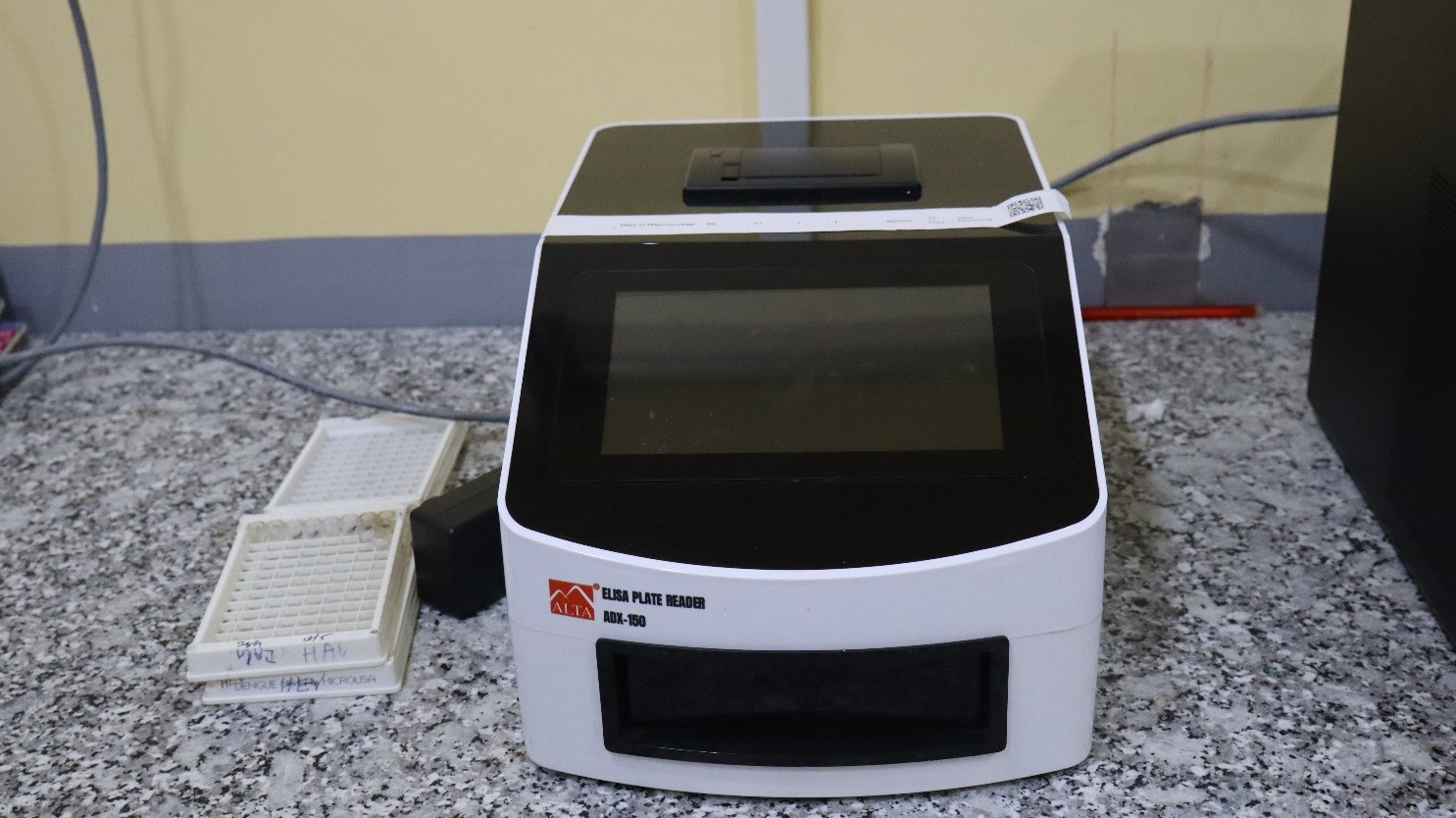
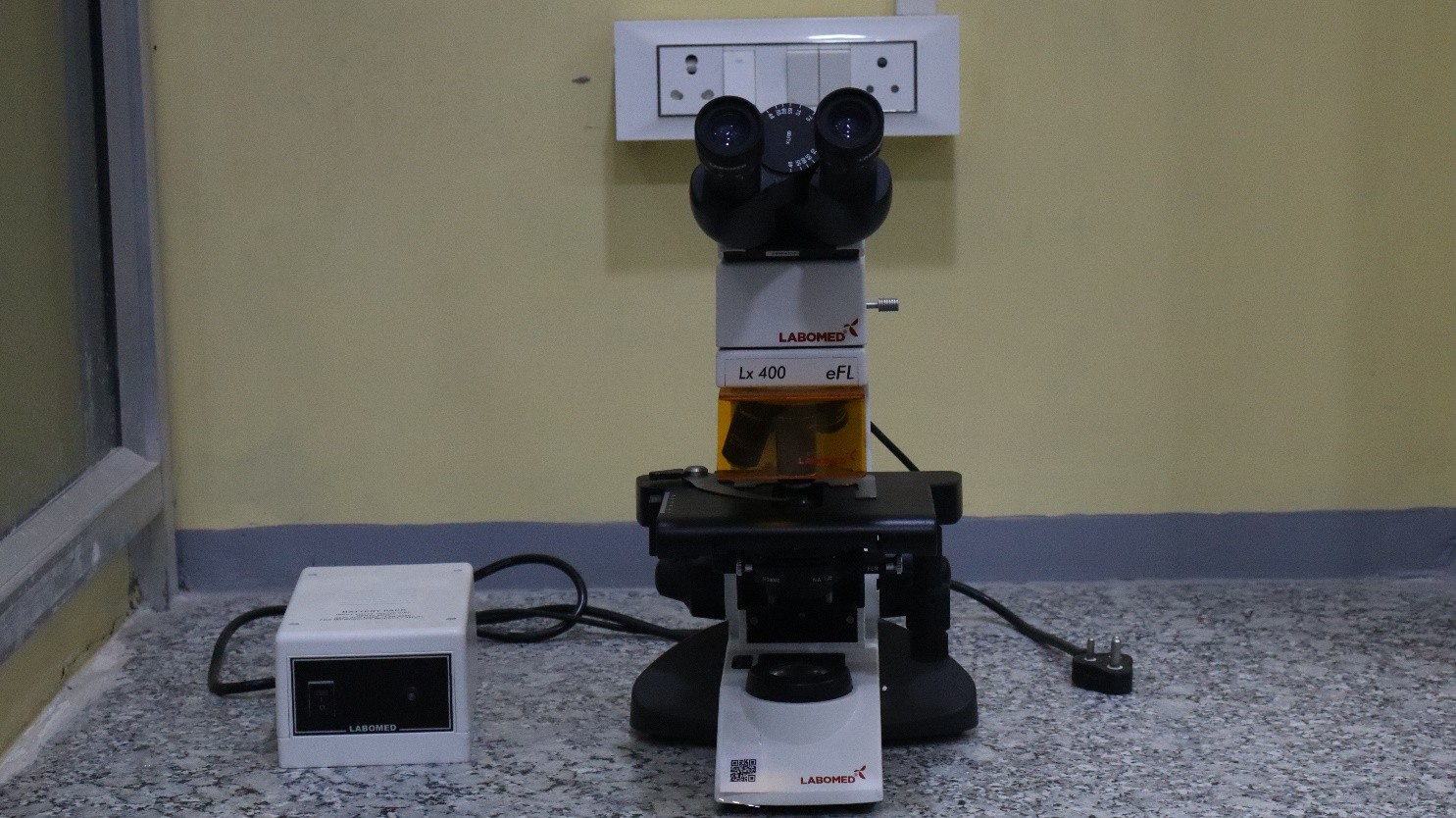
Since its inception, the Department of Pharmacology at Global College of Pharmaceutical Technology has been dedicated to building a research-intensive, laboratory-driven learning environment. The department places research at the very centre of its academic culture, supported by an Advanced Molecular Pharmacology Laboratory equipped with RT-PCR, ELISA reader, fluorescence microscope, CO₂ incubator, Class II biosafety cabinet, laminar air flow and a dedicated cell culture and molecular biology facility. Guided by experienced faculty, the department blends core pharmacological principles with hands-on training, regular workshops and student-led investigation, preparing postgraduates for careers in drug discovery, clinical research, regulatory science and academia.

Message from the HoD

Welcome to the Department of Pharmacology, where scientific curiosity meets rigorous training. Our department offers the M.Pharm (Pharmacology) programme through a balanced approach to academics, laboratory practice, research and industry interaction. Research is not an add-on here — it is the foundation on which we teach. Our Advanced Molecular Pharmacology Laboratory, with RT-PCR, ELISA reader, fluorescence microscopy, cell culture and molecular biology facilities, allows every postgraduate student to work with the same techniques used in modern drug discovery laboratories. We regularly conduct workshops and hands-on training programmes on RT-PCR, microbiology and molecular biology, and our students actively contribute to ongoing projects in anti-inflammatory, anticancer and antimicrobial pharmacology. With experienced faculty, modern instrumentation and a student-centric environment, we prepare future pharmacologists to address real-world therapeutic challenges with technical competence, ethical values and professional integrity.

Mr. Debashis Dutta

Head of the Department (HOD), Department Of Pharmacology

Notice Board

COE/MAKAUT,WB/31/2026

"1st International Conference at GCPT (GIPCON 2025)"

Programs Offered

PROGRAMS
Intake Capacity
YEARS
Semester
ELIGIBILITY CRITERIA
M.Pharm, Pharmaceutics
15 Seats
2
4
Academic Qualification:
Hold a Bachelor of Pharmacy (B.Pharm) degree with a minimum aggregate score (4 years) of minimum 55% from a PCI – recognized institution. SC/ST candidates shall hold a Bachelor of Pharmacy (B.Pharm) degree with a minimum aggregate score (4 years) of minimum 50% from a PCI – recognized institution.
Entrance Exam:
Admission is based on PGET admission process notified by MAKAUT for the relevant academic session or the basis of a valid GPAT score (Graduate Pharmacy Aptitude Test) conducted by NTA through centralized counselling

Curriculum

For M.Pharm Please visit:

Career Opportunities

Research & Development (R&D)
Regulatory Affairs
Quality Assurance (QA) & Quality Control (QC)
Medical Writing
Pharmacovigilance
Clinical Pharmacist
Academia (Assistant professor,research fellow,Scientist in academic or research institutions
Government Jobs

M.Pharm graduates can compete for positions such as:
Drug Inspector
Government Analyst
Pharmacist (where eligible)
Scientist in government research organizations
CDSCO and State Drug Control Departments
Public Sector Undertakings (subject to recruitment notifications)

Entrepreneurship

Higher Education
Ph.D. in Pharmaceutical Sciences
Postdoctoral research (India or abroad)
MBA in Pharmaceutical or Healthcare Management

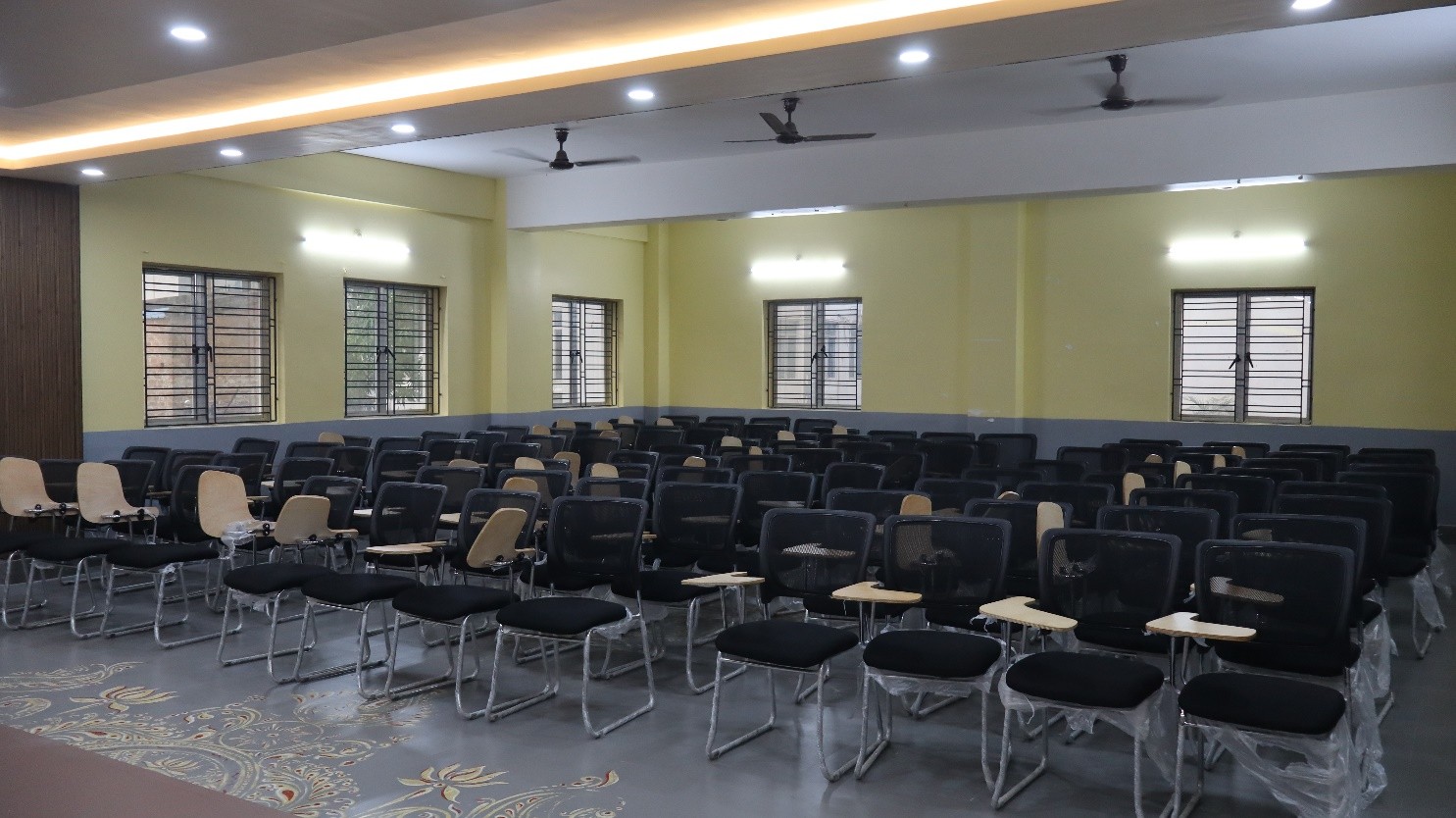
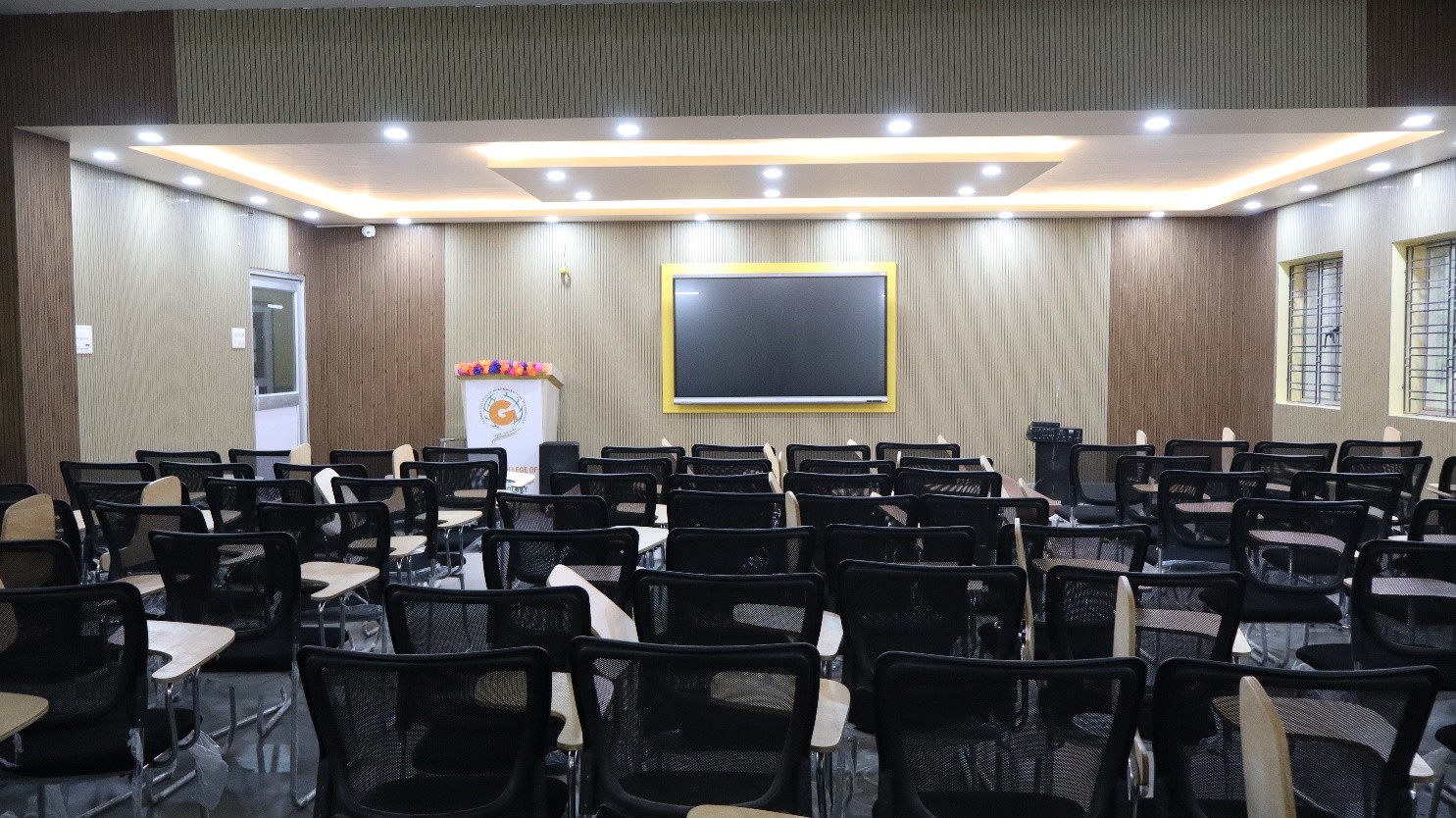
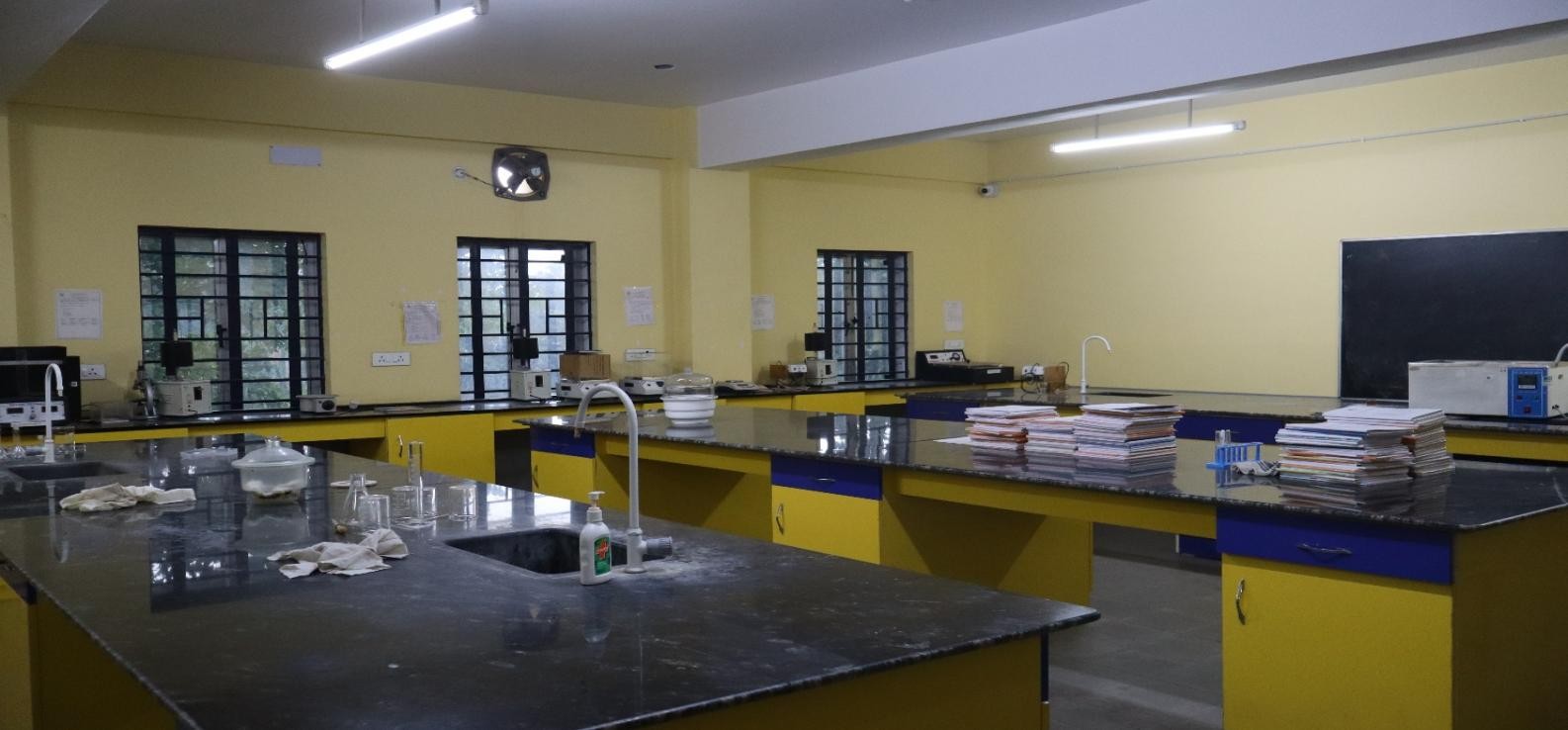
Laboratories & Infrastructure

Research & Innovation

Research is the defining priority of the Department of Pharmacology. The department houses an Advanced Molecular Pharmacology Laboratory comprising a Cell Culture Facility (CO₂ incubator, Class II bio-safety cabinet, laminar air flow, ELISA reader, fluorescence microscope) and a Molecular Biology Laboratory (RT-PCR system, PCR workstation, SDS-PAGE electrophoresis), enabling gene-expression, cytokine-profiling and cytotoxicity studies in-house. Faculty and students work on anti-inflammatory, anticancer and antimicrobial drug discovery, herbal drug standardisation and combination pharmacology, with publications in reputed international journals. The department regularly conducts national conferences, workshops and hands-on training programmes in RT-PCR, microbiology and molecular biology techniques.
Enquiry